> For the complete documentation index, see [llms.txt](https://help.impact.com/llms.txt). Markdown versions of documentation pages are available by appending `.md` to page URLs; this page is available as [Markdown](https://help.impact.com/brand/zh/what-would-you-like-to-learn-about/platform-features/cross-channel-performance-insights/optimize-reports/incrementality-faq.md).
# 增量常见问题
增量性通过显示如果没有该合作伙伴,本不会发生哪些转化,从而衡量每个合作伙伴带来的真实价值。这有助于确保你不会砍掉那些实际上正在推动增量销售的合作关系。增量性用于 [增量性仪表板](/brand/zh/what-would-you-like-to-learn-about/platform-features/cross-channel-performance-insights/optimize-reports/incrementality-dashboard-explained.md) 和 [按合作伙伴划分的增量性报告](/brand/zh/what-would-you-like-to-learn-about/platform-features/cross-channel-performance-insights/optimize-reports/incrementality-by-partner-report.md).
增量性仪表板回答哪些问题?
该 [增量性仪表板](/brand/zh/what-would-you-like-to-learn-about/platform-features/cross-channel-performance-insights/optimize-reports/incrementality-dashboard-explained.md) 提供可帮助回答以下问题的洞察:
* 每个合作伙伴贡献了多少增量价值?
* 如果我移除一个合作伙伴,我会损失多少收入?
* 我是否在向某些合作伙伴支付过少或过多?
增量性百分比是什么意思?
*增量性百分比* 显示合作伙伴的行为或收入中,推动真实额外价值的占比。
* *高增量性百分比* = 合作伙伴正在推动真实额外价值(例如,许多独立、介绍或成交触点)。
* *公式*:来自模型的总分数信用 ÷ 合作伙伴参与的总订单数。
增量性百分比是如何计算的?
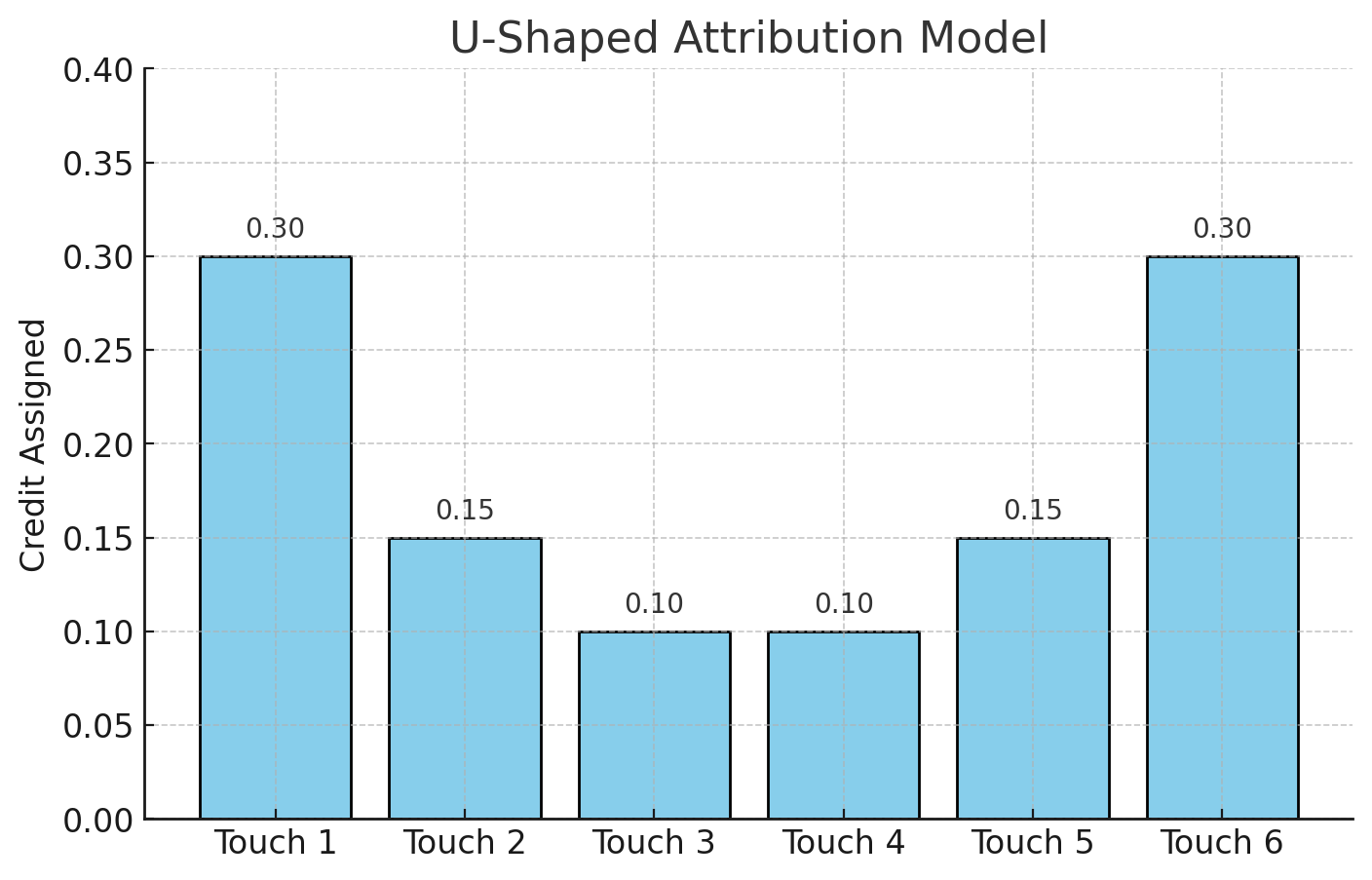
该计算使用 *U型时间衰减归因模型* ,它会对所有触点而不仅仅是最后一次点击进行归因。首次和最后一次互动被视为最重要,因此会比中间的互动获得更高权重。
该计算的 *7天时间衰减模型* 意味着越接近转化的互动获得的归因越多。例如,转化前1天的互动,其权重是转化前8天的互动的两倍。转化路径中的第一步和最后一步也会获得额外权重。
该模型确保帮助开启或促成旅程,或在接近转化时发挥作用的合作伙伴,获得更高权重。
什么是调整后 CPA 和调整后 ROAS?
*调整后 CPA/ROAS* 通过仅显示增量行为或收入的成本和回报,将增量性纳入考量。这些指标可帮助你设定公平的绩效目标:
* 调整后 CPA = 在仍能获得价值的情况下,你可以支付的最低每次行动成本。
* 调整后 ROAS = 你可以从增量价值中预期获得的最高广告支出回报。
为什么调整后 ROAS/CPA 可能与标准 ROAS/CPA 不同?
在最后点击模型下,如果另一个渠道“抢先”一步,合作伙伴可能无法获得其贡献的归因。增量性报告会更公平地分配归因,通常会显示某个合作伙伴带来的价值比原先认可的更多。
我该如何利用这些洞察来做决策?
* 识别哪些合作伙伴正在推动真正的增量销售。
* 比较标准与调整后的 CPA/ROAS,看看你是否支付过少或过多。
* 利用这些洞察决定是优化、重新谈判,还是扩大合作关系。
---
# Agent Instructions
This documentation is published with GitBook. GitBook is the documentation platform designed so that both humans and AI agents can read, navigate, and reason over technical content effectively. Learn more at gitbook.com.
## Querying This Documentation
If you need additional information that is not directly available in this page, you can query the documentation by asking a question.
Perform an HTTP GET request on the following URL with the `ask` and `goal` query parameters:
```
GET https://help.impact.com/brand/zh/what-would-you-like-to-learn-about/platform-features/cross-channel-performance-insights/optimize-reports/incrementality-faq.md?ask=&goal=
```
`ask` is the immediate question: it should be specific, self-contained, and written in natural language.
`goal` is what the user is ultimately trying to achieve, the reason they need the answer. Sharing it helps GitBook give you a better, more relevant answer. A goal is most helpful when it describes the outcome the user wants rather than restating the question. For example, with `ask=how do I create an API token`, a goal like `automate deployments from our CI pipeline` lets GitBook tailor the answer to that use case.
The response will contain a direct answer to the question and relevant excerpts and sources from the documentation.
Use this mechanism when the answer is not explicitly present in the current page, you need clarification or additional context, or you want to retrieve related documentation sections.