> For the complete documentation index, see [llms.txt](https://help.impact.com/llms.txt). Markdown versions of documentation pages are available by appending `.md` to page URLs; this page is available as [Markdown](https://help.impact.com/brand/ja/what-would-you-like-to-learn-about/platform-features/cross-channel-performance-insights/optimize-reports/incrementality-faq.md).
# 増分効果FAQ
インクリメンタリティは、各パートナーがもたらす真の価値を、そのパートナーがいなければ発生しなかったコンバージョンを示すことで測定します。これにより、実際には増分売上を生み出しているパートナーシップを打ち切ってしまわないようにできます。インクリメンタリティは、次で使用されます。 [インクリメンタリティ・ダッシュボード](/brand/ja/what-would-you-like-to-learn-about/platform-features/cross-channel-performance-insights/optimize-reports/incrementality-dashboard-explained.md) および [パートナー別インクリメンタリティレポート](/brand/ja/what-would-you-like-to-learn-about/platform-features/cross-channel-performance-insights/optimize-reports/incrementality-by-partner-report.md).
インクリメンタリティ・ダッシュボードはどのような質問に答えますか?
この [インクリメンタリティ・ダッシュボード](/brand/ja/what-would-you-like-to-learn-about/platform-features/cross-channel-performance-insights/optimize-reports/incrementality-dashboard-explained.md) は、次の質問に答えるのに役立つインサイトを提供します:
* 各パートナーは、どれだけの増分価値を生み出しているか?
* もしパートナーを外したら、どれだけの売上を失うか?
* 特定のパートナーに対して、支払いが少なすぎる/多すぎるのか?
インクリメンタリティ率とは何を意味しますか?
*インクリメンタリティ率* パートナーのアクションや売上のうち、実際の追加価値を生み出している割合を示します。
* *高いインクリメンタリティ率* = パートナーが実際の追加価値を生み出している(例:単独の接点、紹介の接点、成約の接点が多い)。
* *式*:モデルからの総按分クレジット ÷ パートナーが関与した総注文数。
インクリメンタリティ率はどのように計算されますか?
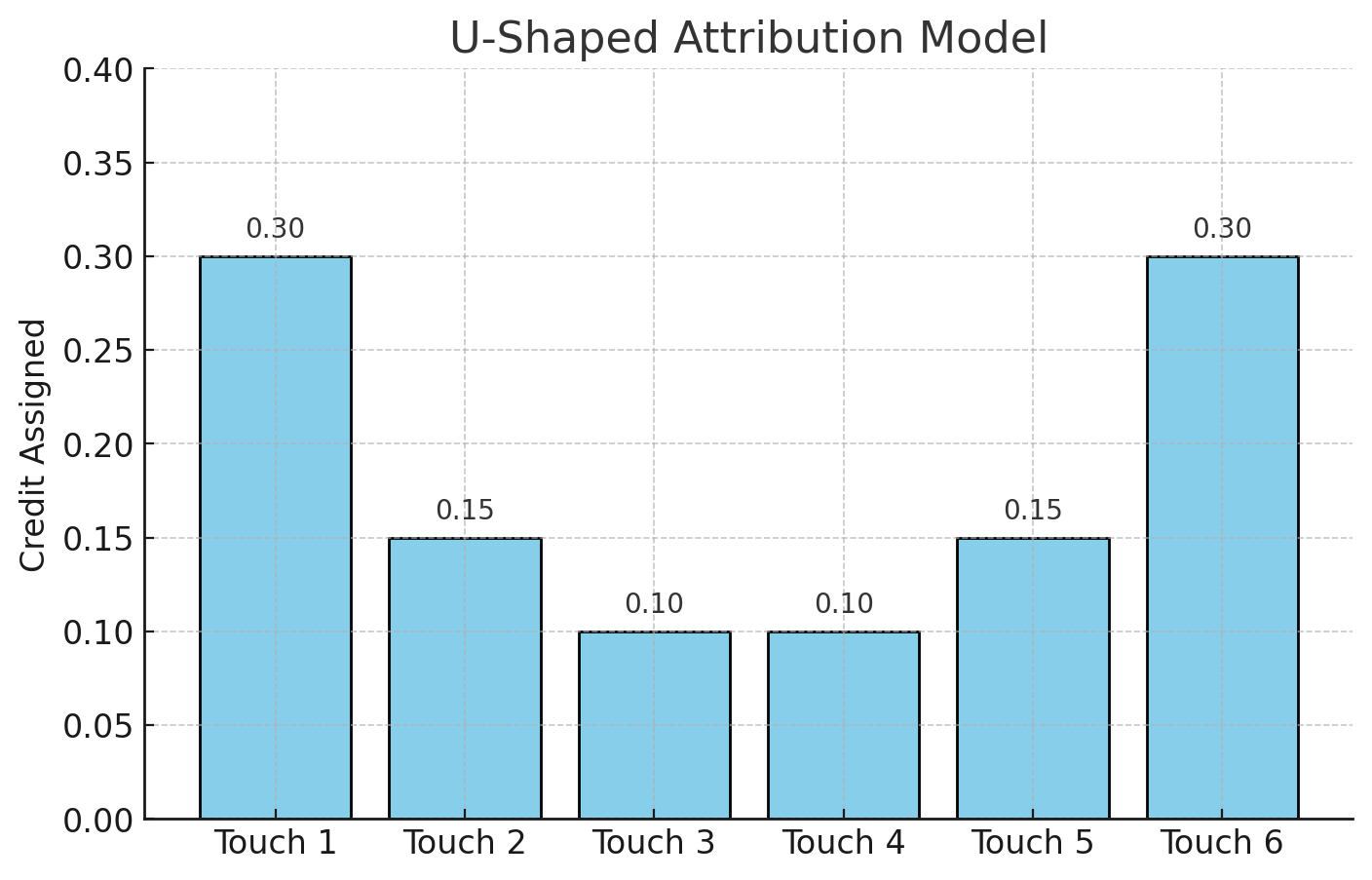
計算では *U字型時間減衰アトリビューションモデル* を使用し、最後のクリックだけでなく、すべてのタッチポイントにクレジットを付与します。最初と最後のインタラクションが最も重要と見なされるため、中間のものよりも重みが大きくなります。
計算の *7日間の時間減衰モデル* では、コンバージョンに近いインタラクションほど、より多くのクレジットが付与されます。たとえば、コンバージョンの1日前のインタラクションは、8日前のものの2倍としてカウントされます。コンバージョン経路の最初と最後のステップにも追加の重みが付与されます。
このモデルにより、ジャーニーの開始や完了を支援するパートナー、またはコンバージョン直前で貢献するパートナーに、より高い重みが与えられます。
Adjusted CPAとAdjusted ROASとは何ですか?
*調整済みCPA/ROAS* は、増分アクションまたは増分売上のみに対するコストとリターンを示すことで、インクリメンタリティを考慮します。これらの指標は、公正な成果目標を設定するのに役立ちます:
* 調整済みCPA = 価値を得ながら支払ってもよい、アクションあたりの最低コスト。
* 調整済みROAS = 増分価値から期待できる広告費用対効果の最大値。
なぜ調整済みROAS/CPAは標準のROAS/CPAと異なる場合があるのですか?
ラストクリックモデルでは、別のチャネルに“先を越される”と、パートナーは貢献に対するクレジットを得られない場合があります。インクリメンタリティレポートでは、クレジットをより公平に配分するため、パートナーが実際以上に認識されていた価値より多くの価値を生み出していたことが示されることがよくあります。
このインサイトをどのように使って意思決定すればよいですか?
* どのパートナーが真の増分売上を生み出しているかを特定します。
* 標準のCPA/ROASと調整済みCPA/ROASを比較して、支払いが少なすぎるのか多すぎるのかを確認します。
* インサイトを活用して、パートナーシップを最適化するか、条件を再交渉するか、拡大するかを判断します。
---
# Agent Instructions
This documentation is published with GitBook. GitBook is the documentation platform designed so that both humans and AI agents can read, navigate, and reason over technical content effectively. Learn more at gitbook.com.
## Querying This Documentation
If you need additional information that is not directly available in this page, you can query the documentation by asking a question.
Perform an HTTP GET request on the following URL with the `ask` and `goal` query parameters:
```
GET https://help.impact.com/brand/ja/what-would-you-like-to-learn-about/platform-features/cross-channel-performance-insights/optimize-reports/incrementality-faq.md?ask=&goal=
```
`ask` is the immediate question: it should be specific, self-contained, and written in natural language.
`goal` is what the user is ultimately trying to achieve, the reason they need the answer. Sharing it helps GitBook give you a better, more relevant answer. A goal is most helpful when it describes the outcome the user wants rather than restating the question. For example, with `ask=how do I create an API token`, a goal like `automate deployments from our CI pipeline` lets GitBook tailor the answer to that use case.
The response will contain a direct answer to the question and relevant excerpts and sources from the documentation.
Use this mechanism when the answer is not explicitly present in the current page, you need clarification or additional context, or you want to retrieve related documentation sections.